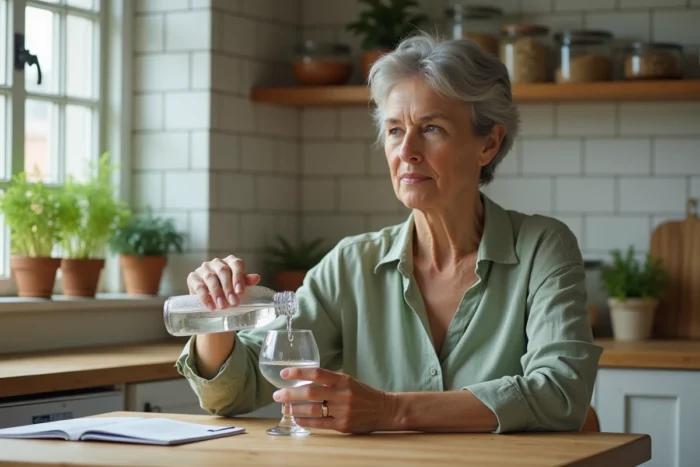
The legs swell, pull, and feel heavy. Behind these common symptoms, varicose veins indicate a failing venous return. Among the actions that help circulation, the choice of water you drink every day plays a role that is often underestimated. Drinking enough, yes, but with what water and under what conditions? This guide details the concrete criteria to adapt your hydration to your veins.
Blood viscosity and hydration: the mechanism that water directly influences
When the body lacks water, the blood thickens. Thicker blood circulates less easily in already weakened veins. The heart has to work harder, and the pressure on the venous walls increases.
Conversely, sufficient hydration thins the blood and facilitates venous return. This link is confirmed by specialized resources on edema and chronic venous insufficiency: regular water intake promotes blood circulation and is part of non-drug approaches alongside compression or physical activity.
An article detailing the water to choose for varicose veins according to Néo Santé reminds us that this daily action deserves as much attention as wearing compression stockings.
In practical terms, consistency matters more than the amount consumed at once. Drinking small amounts throughout the day maintains a stable hydration level. Emptying an entire bottle at dinner does not compensate for eight hours of deficit.

Magnesium-rich water and blood circulation: a concrete choice criterion
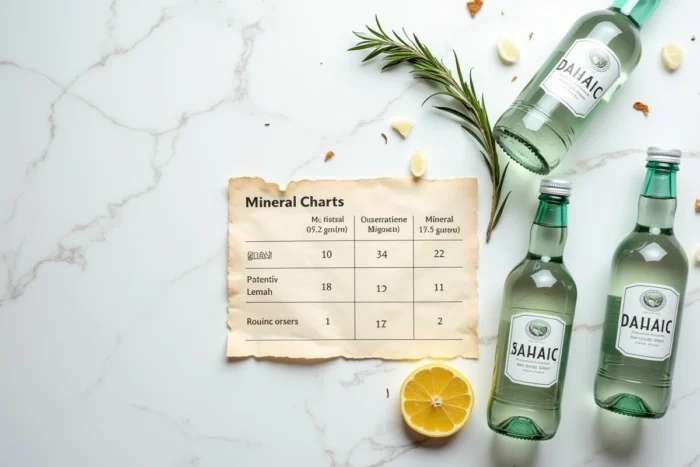
Not all waters provide the same benefits for your veins. The mineral composition varies greatly from one brand to another, and certain minerals actively support venous health.
Magnesium, a direct ally of venous tone
Magnesium contributes to muscle contraction and relaxation of the vascular walls. The calf muscles, often referred to as the “venous pump,” need this mineral to propel blood back to the heart. Water rich in magnesium supports the muscle pump of the legs.
Have you ever noticed nighttime cramps in your calves? A magnesium deficiency could be the cause, and these cramps worsen the sensation of heavy legs.
Sodium, a parameter to monitor
Waters that are too high in sodium pose a distinct problem. Excess salt promotes water retention and worsens edema. Recommendations for chronic venous disease emphasize a low-salt diet, and this criterion also applies to the water you drink.
Choosing low-sodium water when suffering from varicose veins follows the same principle as reducing salt in your meals. Both act on the same mechanism of fluid retention.
- Prefer mineral waters with a high magnesium content on the label (compare the values on the back of the bottle).
- Avoid highly carbonated waters with high sodium: check the “sodium” mention in the nutritional table.
- Tap water is suitable in most French municipalities, provided you check its composition with your local supplier.
Cold water, lukewarm water, herbal teas: temperature and form also matter
The type of water is not limited to its mineral composition. The temperature and the form in which you hydrate influence venous circulation.
Cold water stimulates vein contraction. This vascular reflex, well-known in phlebology, explains why cold water jets on the legs relieve the sensation of heaviness. Drinking cool (not icy) water prolongs this effect from the inside, even modestly.
Conversely, very hot drinks like coffee or alcohol dilate the vessels. This vasodilation exacerbates blood stagnation in the veins of the legs. Limiting coffee to two cups a day and avoiding alcohol reduces pressure on already dilated veins.
Venotonic herbal teas: hydration and plants in one cup
Some plants used in venous phytotherapy are consumed as lukewarm infusions, combining hydration and venotonic action. Red vine, horse chestnut, and witch hazel are the most documented for their effect on the tone of the venous walls.
A lukewarm red vine herbal tea in the evening hydrates and supports venous return. Preparing the infusion at a moderate temperature (not boiling) avoids the excessive vasodilatory effect of heat.
Hydration and varicose veins: common mistakes that worsen symptoms
Drinking more is not enough if other habits sabotage the effect of your hydration. Several common mistakes deserve to be identified.
- Compensating with sodas or sugary juices: excess sugar promotes inflammation of the venous walls and weight gain, two aggravating factors for varicose veins.
- Drinking only at meals: blood circulation needs a regular intake, not three peaks of hydration per day.
- Neglecting hydration in winter: the sensation of thirst decreases in cold weather, but the veins still face the same constraints, especially in prolonged sitting at the office.
- Consuming a lot of very salty water thinking “I’m hydrating well”: the salt in the water cancels out the circulatory benefits of hydration.
Hydration is part of a set of actions: regular physical activity (walking remains the most effective to activate the venous pump), elevating the legs at rest, wearing appropriate compression stockings. None of these actions replaces the others.
Adapting your water to the needs of your veins remains an accessible and daily lever. Checking the label, spreading your consumption throughout the day, limiting sodium and sugar: these simple adjustments complement a comprehensive venous care approach. In case of painful or progressive varicose veins, medical advice allows for ruling out thrombophlebitis or more severe venous insufficiency requiring specific treatment.